
Bench Warrants in Monroe County
A Monroe County bench warrant is judicial process commonly tied to a missed appearance, failure to comply with an order, or another unmet court duty. The exact legal basis depends on the case. It may arise in a criminal, traffic, or other proceeding, and it is not a new criminal charge unless the court record says so.
Monroe's official materials use “bench warrant” and “failure to appear,” not capias pro fine, as the clear public terms. A public docket may contain an FTA or warrant event without proving that it is still active. Confirm the public file with the Monroe County Clerk and current status with the Sheriff's Warrant Division.
Monroe Missed Court Status Check
Search Indiana MyCase by case number, citation number, cross-reference, or party. Narrow the court to Monroe Circuit Court where appropriate. Its nine divisions appear in Odyssey as 53C01 through 53C09. Record the case number, division, event label, and date, but do not collect unrelated personal details.
MyCase is not a live warrant database. Call the Clerk at 812-349-2614 when a docket is missing, old, or unclear. Call the Warrant Division at 812-349-2778 for operational confirmation. No separate city warrant portal was found for Bloomington, Ellettsville, or Stinesville.
How a Bench Warrant Is Issued
A judge acts after the court finds that a required appearance or order was not met. The court enters its action in the underlying case and may direct law enforcement to bring the person before the court. The exact order, notice history, and release terms are case-specific. Not every missed setting creates the same warrant or bond result.
After issuance, the Clerk maintains the court record and the Sheriff's Office may execute the process. The warrant does not end merely because a payment is made or an online entry changes. A court order may be needed to recall or quash it. Indiana has no public statewide arrest- or bench-warrant system.
A Monroe bench warrant stays tied to its case. A later appearance, filing, payment, or agreement can address the duty that led to it, but only the court can decide the warrant's legal status. The Sheriff cannot rewrite the judge's order, and the Clerk cannot give legal advice. This division of roles is why both record verification and court action may be needed.
Read Monroe Bench Warrant Events
Docket language can mark different stages. “Issued” records the court's act. “Served” reflects execution. “Returned” records law enforcement's report. “Recalled” means the judge withdrew the warrant. “Quashed” means the court set it aside. Later entries matter because an old issue event can remain visible after status changes.
- FTA
- Failure to appear for a required setting.
- Recall
- A judicial order withdrawing the warrant.
- Quash
- A court action setting it aside.
- Hold
- A release restriction requiring judicial action.
Clerk staff can explain the public file but cannot promise recall. The Warrant Division can address current service status but does not replace legal advice.
Bench Warrant vs Arrest Warrant
Both instruments may authorize arrest, yet they arise through different paths. A bench warrant usually responds to an unmet duty in an existing case. An arrest warrant under Indiana Code 35-33-2 rests on the charging and probable-cause process. Neither is a conviction. Each requires attention to the issuing court, current order, and public-access limits.
| Feature | Bench Warrant | Arrest Warrant |
|---|---|---|
| Trigger | Missed court or unmet order | Charging and probable-cause process |
| Issuer | Judge in the pending matter | Judicial officer under Indiana law |
| Case setting | Usually an existing case | A criminal charge or investigation |
| Next step | Appearance, recall, or quash | Surrender, hearing, bond, or later order |
The current Indiana Code provides the warrant-content model.
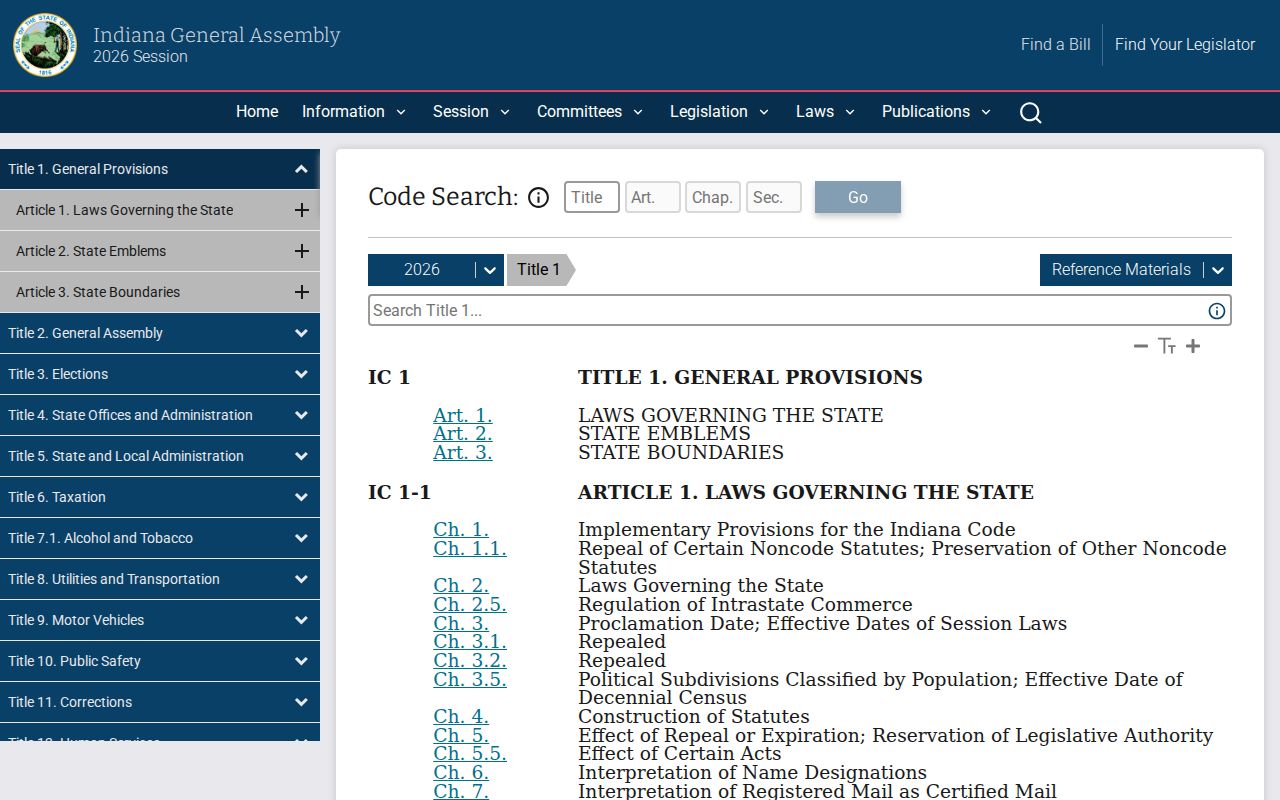
The statute helps separate a probable-cause arrest warrant from a missed-court bench warrant.
Monroe Civil Body Attachments Differ
Indiana Trial Rule 64 creates a civil body-attachment and rule-to-show-cause process. A person taken into custody under that rule must be brought before the issuing court or judicial officer within 48 hours, excluding weekends and holidays. That civil process should not be collapsed into a criminal bench-warrant label merely because both may involve custody after a missed appearance.
The current Rule 64 source shows the civil framework.
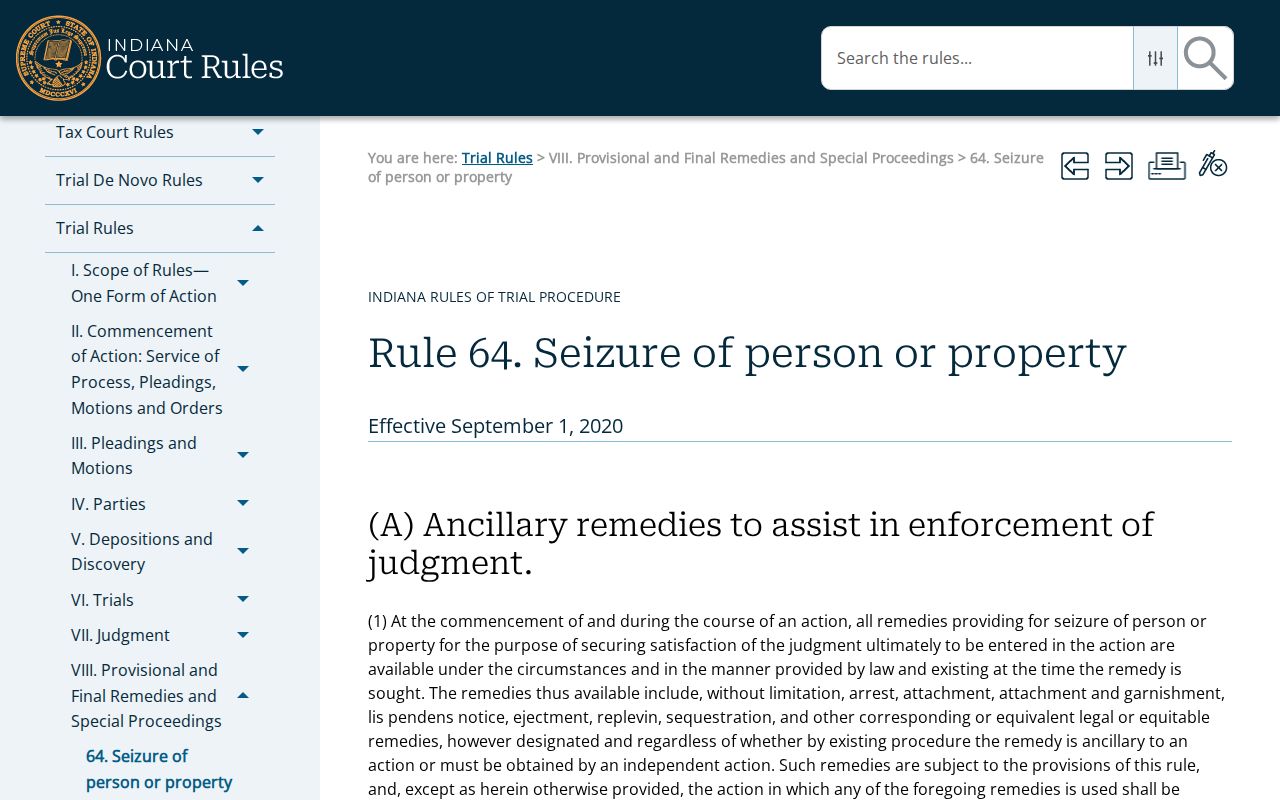
The show-cause structure and prompt-presentation term are distinct from an arrest warrant based on a criminal charge.
How to Resolve a Monroe County Bench Warrant
Resolution starts with the issuing court and a current status check. Monroe's public materials do not offer a universal online quash button or one surrender plan for all cases. The next step may involve a motion, new court date, surrender arrangement, bond, or judicial recall. Counsel can evaluate the order and protect against acting on an incomplete docket.
- Confirm the case number, issuing division, and current warrant status.
- Ask counsel whether a motion to recall or quash is appropriate.
- Confirm any court date or surrender plan with the responsible office.
- Address the underlying duty and obtain the court's resulting order.
Caution: Payment or an online status change does not alone prove recall; confirm the judge's order and current operational status.
After action is taken, ask how the resulting order will appear in the official file and when public MyCase data may update. Keep the case number and any receipt or order supplied by the court. If driving privileges were affected by a traffic FTA or FTP, resolve the court issue first and then follow Indiana BMV instructions. A license suspension is a separate administrative result and is not proof that a bench warrant remains active.
Monroe Bond Rules After Arrest
Monroe local rules make bond dependent on the offense, court order, and custody facts. After normal business hours, the Sheriff may accept cash or certified check and issue a receipt. The money is deposited with the Clerk as soon as practical. A 10 percent cash deposit or full cash bond is available only when a judge expressly orders it in writing.
The rules also state that a probation or parole hold is not eligible for ordinary bail until a judge acts. Current charge-specific terms must be confirmed rather than inferred from an old schedule. The official local rules control, and the Monroe Public Defender route at 812-349-2590 may assist eligible, unrepresented defendants at an initial bail hearing.
A cash bond is placed in the defendant's name. The rules permit the court to retain funds for authorized costs, fines, fees, or restitution, and release after judgment requires satisfaction of those sums plus a written judicial order. Those details show why a receipt or deposit does not itself resolve the warrant or close the underlying case. Confirm the current bond direction before bringing money to an office.
Which Monroe County Court Issued It
Monroe Circuit Court is a unified trial court with nine divisions. It handles traffic violations, misdemeanors, felonies, small claims, family matters, and other cases. The Odyssey codes 53C01 through 53C09 identify those divisions. The division responsible for the underlying case controls judicial recall, not the Sheriff or a city police department.
No separate Bloomington, Ellettsville, or Stinesville municipal court was located in the official Odyssey list. Local police may enforce process, but court-record research routes to MyCase and the Monroe County Clerk. Use a Monroe County warrant search to identify the case, then ask the Clerk to confirm which division holds it.
Restricted Monroe Bench Warrant Records
Indiana's Rules on Access to Court Records and the Access to Public Records Act limit what may be released. Sealed, expunged, juvenile, mental-health, protection-order, and other protected material may be unavailable. Sheriff investigatory information may also be withheld under an APRA exemption. A blank search result is therefore not a clearance certificate.
For a court document, use the Clerk records route and describe the case number, division, document type, and date range. For a Sheriff-held record, use the agency's APRA form through email, fax, mail, or in person. The form describes a receipt response within seven days, not guaranteed production within seven days. Federal bench warrants fall outside Monroe's system; public federal docket research uses PACER and the Southern District of Indiana.
A records request and a status check serve different ends. The Clerk can provide an eligible public docket or document. Sheriff Records can process a request for material held by that agency. The Warrant Division answers the operational question. If an agency denies access, the Sheriff form says it should identify the exemption. Requesters should not try to bypass lawful limits with alternate spellings or third-party databases.